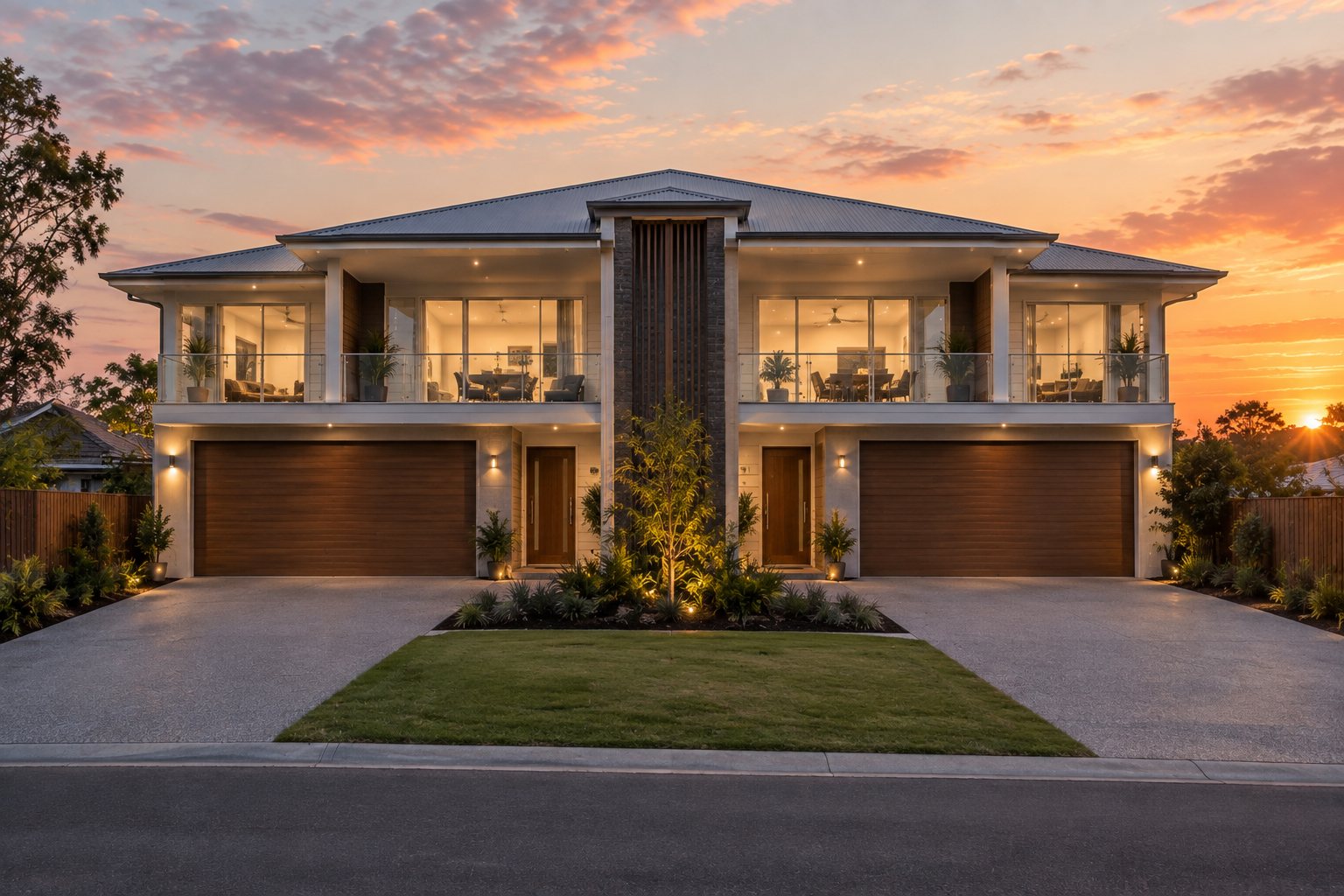

Most people buy a property and then wait. Wait for the suburb to run, wait for rates to drop, wait for the market to hand them some equity years down the track. There is another way to play it, and the smart end of the market has been using it for years. You build the equity in on day one.
The tool is a duplex, done properly. Not two houses, not a big renovation. One block, one build, and at the end you own two separate homes that are worth more together than the whole project cost you. Let me walk you through exactly how that works, and how to do it right.
What "instant equity" actually means
There are two ways to make money in property. The market can do it for you over time, which is capital growth, or you can manufacture it yourself through the development process. That second one is what the pros call manufactured equity, and a duplex is one of the cleanest ways to create it.
The whole idea fits in one line. Two separately titled homes, when done correctly, sell for more than one block of land plus the cost of a single build. You capture that difference the day the project settles, not in five years time.
You are not hoping the market goes up. You are creating value by turning one title into two, and pocketing the gap. The market rise, when it comes, is a bonus on top.
The right way to do it
This is where most people get it wrong, so pay attention here. The strategy only works if the execution is clean. Done right, it is a three step process, and the whole thing runs through one block and one builder.
Buy one block
A single block in an area zoned and priced for dual occupancy, where two finished homes are in demand.
One builder, one build
The right builder delivers the whole job: design, construction, the strata plan and the subdivision.
Two titles
You finish with two separate dwellings on two separate titles, worth more combined than the total spend.
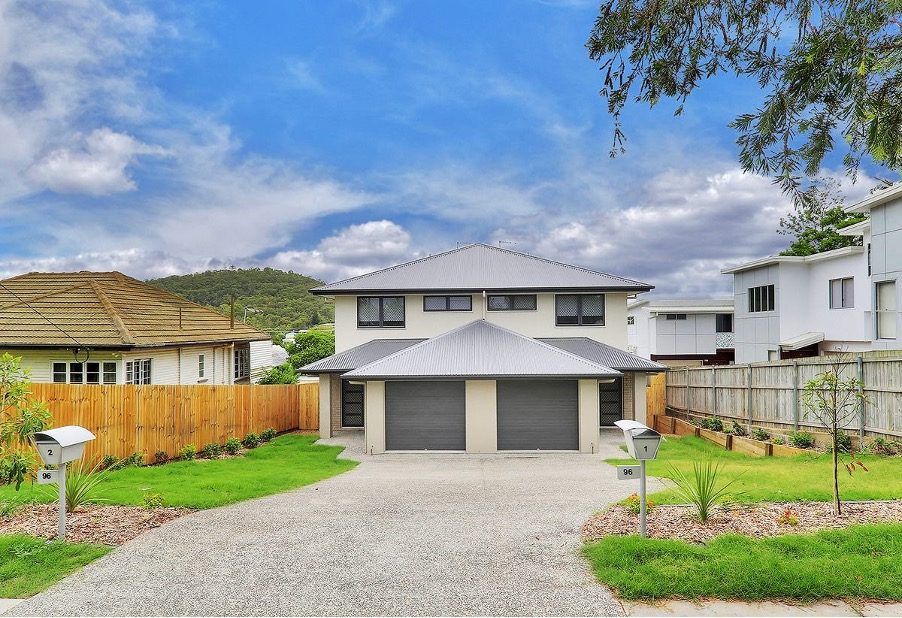
That middle step is the one that matters most. The right builder does not just hand you a finished building and wish you luck. They take the project all the way through the strata plan and the subdivision, so you end up with two separate titles you can hold, rent or sell independently. You pay for one build. You walk away with two dwellings.
The numbers, in plain English
Let me put realistic figures on it. These are an illustrative example to show the mechanics, not a quote, and every project is different. But this is the shape of a duplex done well.
So on a project costing $1.35 million, you finish holding two homes worth around $1.54 million. That is roughly $190,000 of equity, about 14 percent, sitting in the asset the day the titles register. And this is the part the doom and gloom headlines miss entirely. That equity does not care what the market does next month, because you created it, not the market.
Why two titles beat one every time
The gap is not luck. Four forces stack up in your favour, and together they lift the finished value past the total cost.
Two titles sell for more
Two smaller, separately titled homes reach a wider pool of buyers than one large dwelling, and together they command a premium.
One block is cheaper than two
You buy a single parcel of land once. Splitting it into two homes is far cheaper than buying two separate blocks.
Two incomes, not one
Two dwellings mean two rents. The dual income lifts the yield and the borrowing power the whole project supports.
New homes are in demand
Owner occupiers pay up for a brand new, low maintenance home, and Australia is chronically short of new dwellings.
The right area and the right builder
The strategy lives or dies on two choices you make before you spend a dollar on the build.
The right area. You want a suburb where the zoning allows dual occupancy and, just as importantly, where the comparable sales already support two finished homes at a healthy price. The land needs to be affordable enough that one block plus one build comes in under what two completed dwellings are worth. Get the area right and the equity is almost baked in before you start.
The right builder. This is the difference between a smooth project and a headache. You want a builder who delivers the whole thing end to end, the design, the fixed price build, the strata plan and the subdivision into two titles. One point of contact, one contract, one team carrying the project through to two registered titles. You are the investor, not the project manager.
Do it with your eyes open
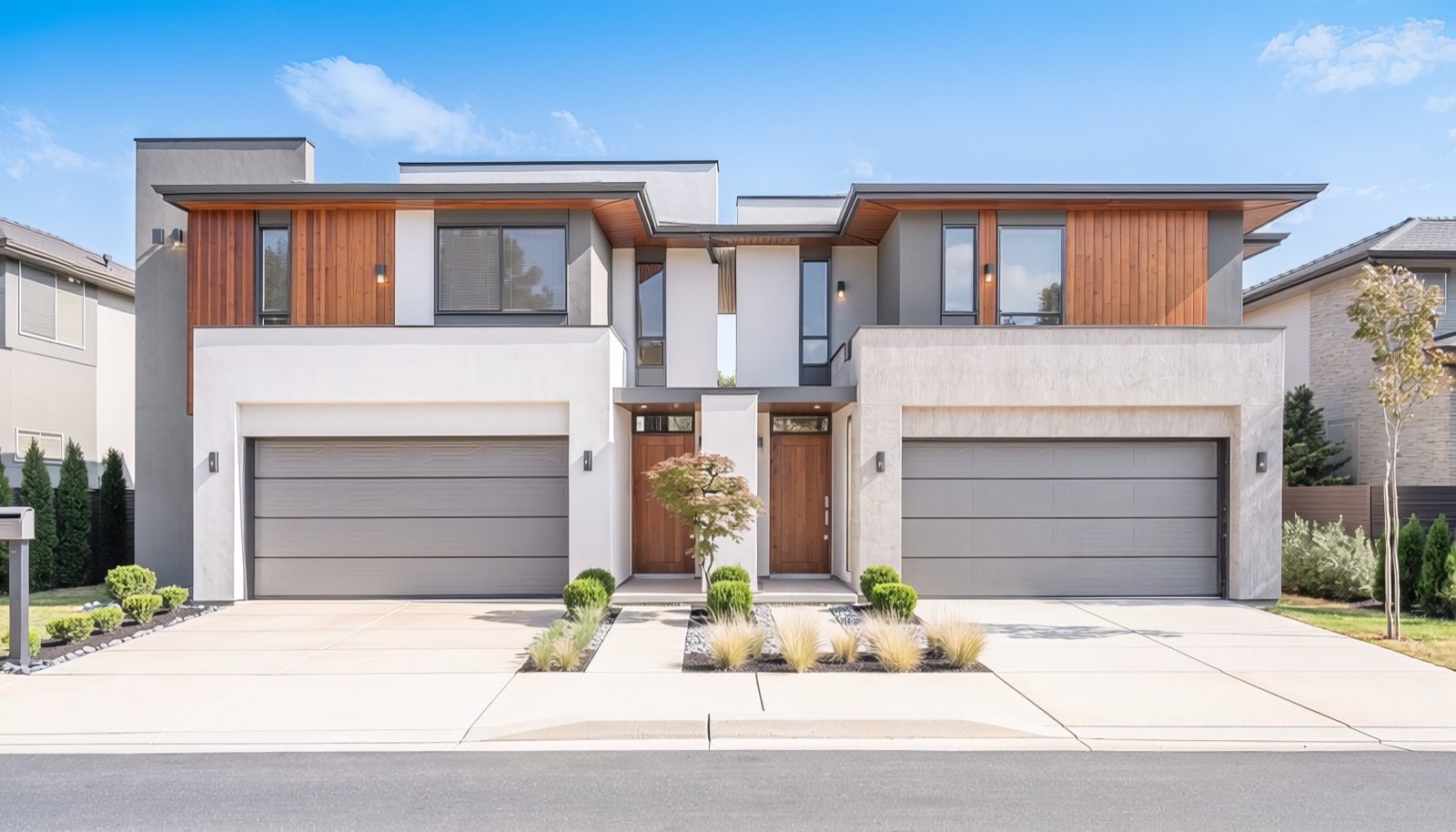
This is a strategy, not a magic trick, and anyone who has actually done one will tell you every project carries risk. These are the ones to watch, and how to handle them.
- Valuation, not appraisal. An agent appraisal is an opinion about the future. A formal bank valuation is based on recent comparable sales. Build your numbers on the valuation, because that is what the bank lends against.
- Thin comparable sales. If there are few recent duplex sales nearby, the valuation can come in short. Buy where the evidence already exists.
- Council and timeline. Subdivision approvals, separate service connections and contribution fees all take time and money. A builder who does this repeatedly keeps it moving.
- A fixed price build. Lock the build cost in writing so a blowout does not eat your equity.
Manage those four and the downside shrinks a long way, because the equity is manufactured through the build, not borrowed from a market rally that may or may not arrive.
And then the best part: your options
This is what makes duplex investing so powerful, and it is the part most people never get to. Once the two titles register, you are not locked into a single outcome. You are holding two independent assets, and you get to choose how to play them. That flexibility is one of the biggest advantages of the whole strategy.
Sell both
Take the full equity uplift now. Cash out both dwellings, bank the manufactured equity and redeploy it straight into the next deal.
Best for cash nowKeep both
Hold the pair and collect two rents from one purchase. The dual income lifts your yield and builds long term wealth from a single project.
Best for incomeSell one, supercharge the other
Sell one dwelling and use the proceeds to pay down the debt on the one you keep. Lower debt, stronger cashflow, and fresh serviceability to buy again.
My favourite · best for growthThat third option is the one I keep coming back to, so let me spell it out. Say you keep one dwelling and sell the other. The sale clears a big slice, sometimes all, of the debt sitting against the one you hold. Suddenly that dwelling is barely geared. It throws off genuine positive cashflow instead of just washing its face, and because your debt and your repayments have dropped, the bank sees room to lend to you again.
Read that last part twice. You have used a single project to create a high performing, low debt asset and the borrowing power to go and do it again. That is how real portfolios get built, one manufactured equity project at a time, instead of saving a fresh deposit and waiting a decade between purchases.
Why this stacks up right now
Two things make this the moment to understand duplexes. Australia is short of new housing and the shortfall is widening, which keeps demand under both finished dwellings. And from 1 July 2027, negative gearing on established property changes, but new builds keep their concessions, which points serious investor money straight at exactly this kind of new dual occupancy stock.
Everyone else is waiting for the market to make them money. The duplex investor builds the equity in and lets the market growth land on top.
You do not have to be a developer to think like one. Buy the right block, use the right builder, let them take it through to two titles, and you can walk into equity most people spend years waiting for. That is the quiet advantage hiding in plain sight.
Skip the BBQ advice. Look at the numbers. Then decide.
Common questions
What is instant equity in a duplex build?
Do you pay for one build or two?
How does a duplex create more value than a single house?
What are the main risks?
What can you do with a duplex once it is built?
Sources
- BuildAna, "Duplex vs House: which is the better investment", 2026 (dual occupancy value and demand)
- Council Approval, "Dual Occupancies and Duplexes: Australia's guide", 2026 (subdivision, strata and Torrens title process)
- ZoneScout, "Dual Occupancy Rules by State", 2026 (state by state subdivision rules)
- Building Loans Australia, "Duplex and dual occupancy construction finance guide", 2026 (build cost ranges and lending)
- Property Portfolio Solutions and Positive Income Properties, duplex investment strategy guides, 2026 (sell one / keep one, recycling equity and serviceability)
- National Housing Supply and Affordability Council, State of the Housing System 2025 (new dwelling shortfall)
- Australian Treasury, Budget 2026-27 tax reform fact sheet (negative gearing and new builds from 1 July 2027)