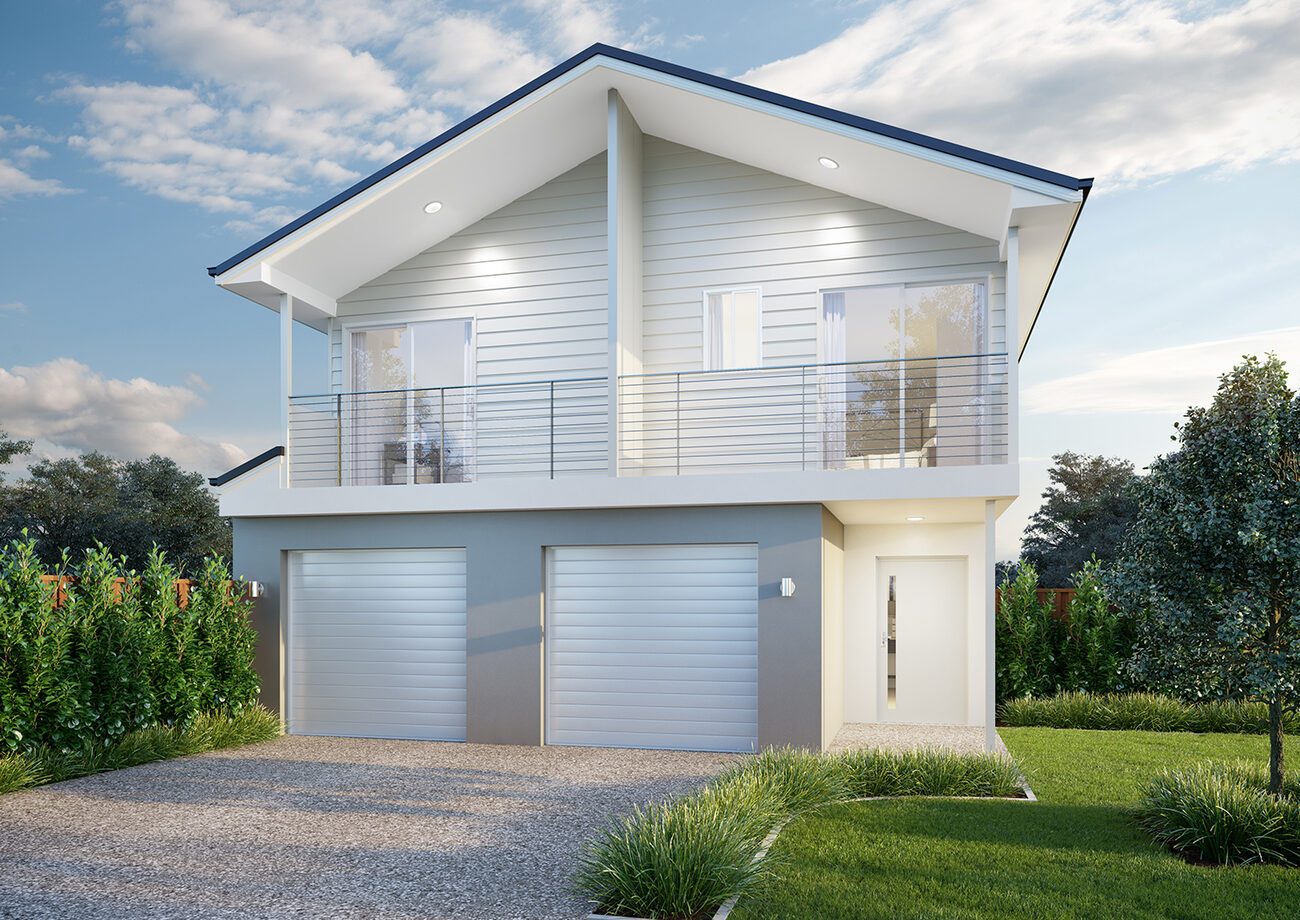
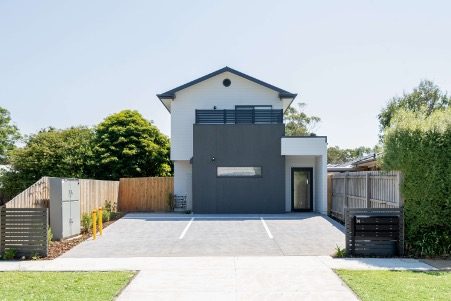
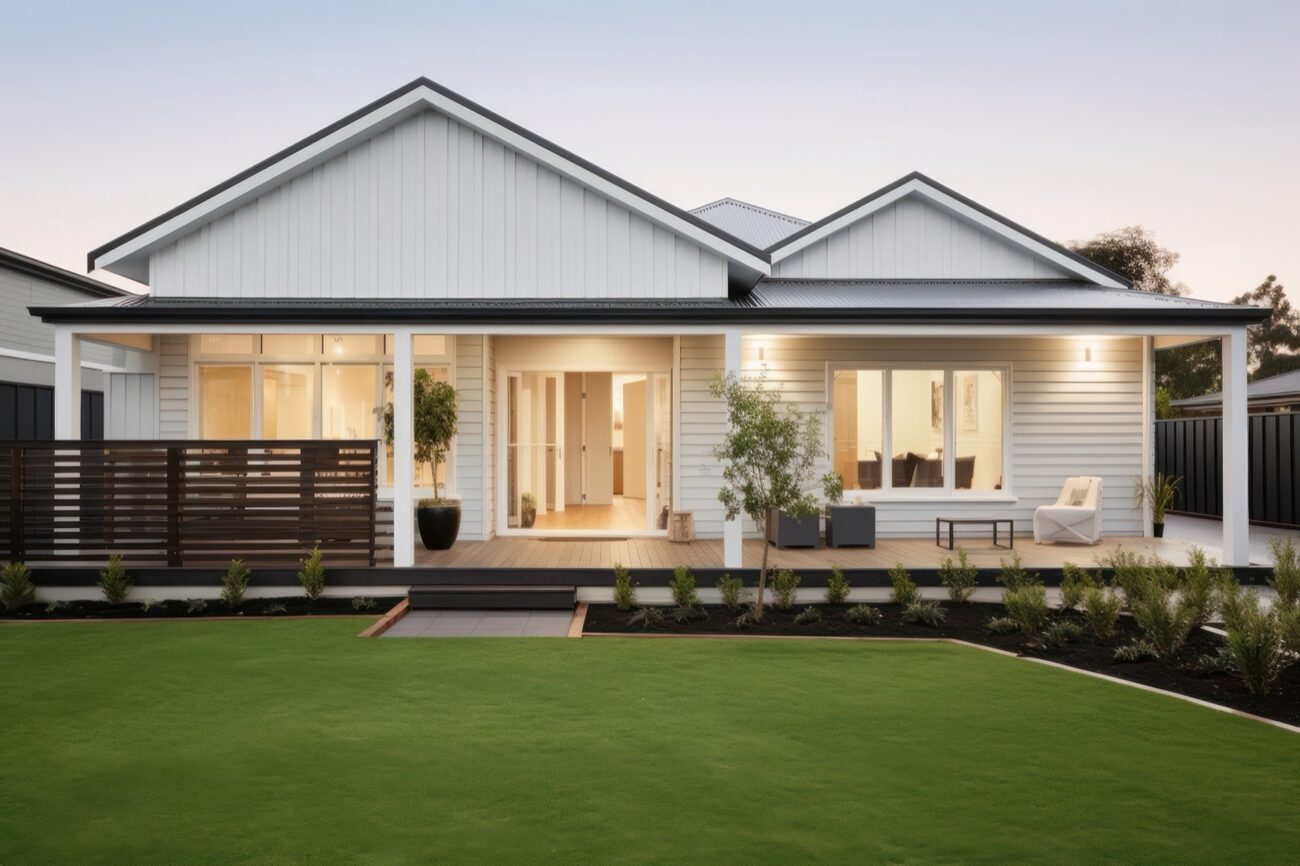
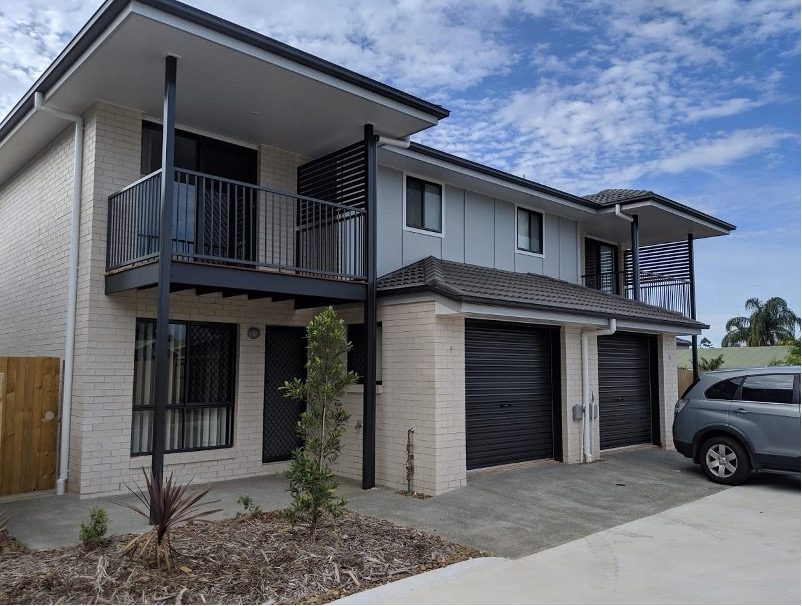
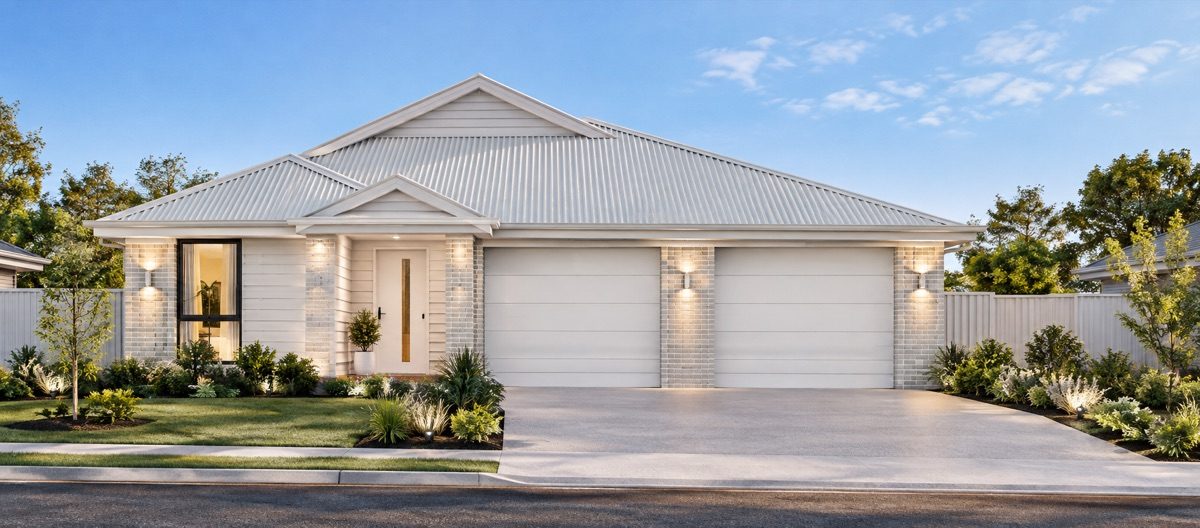
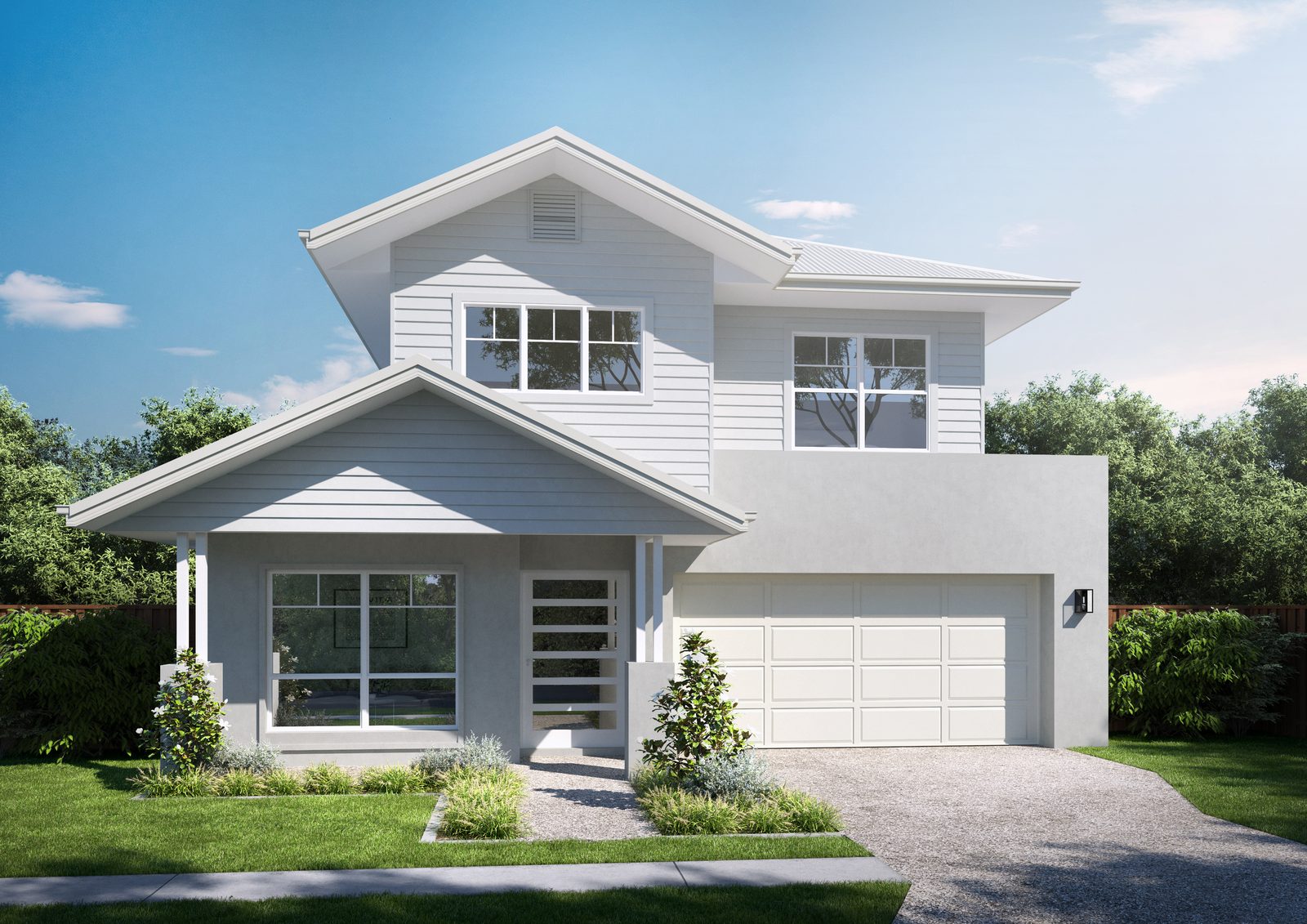
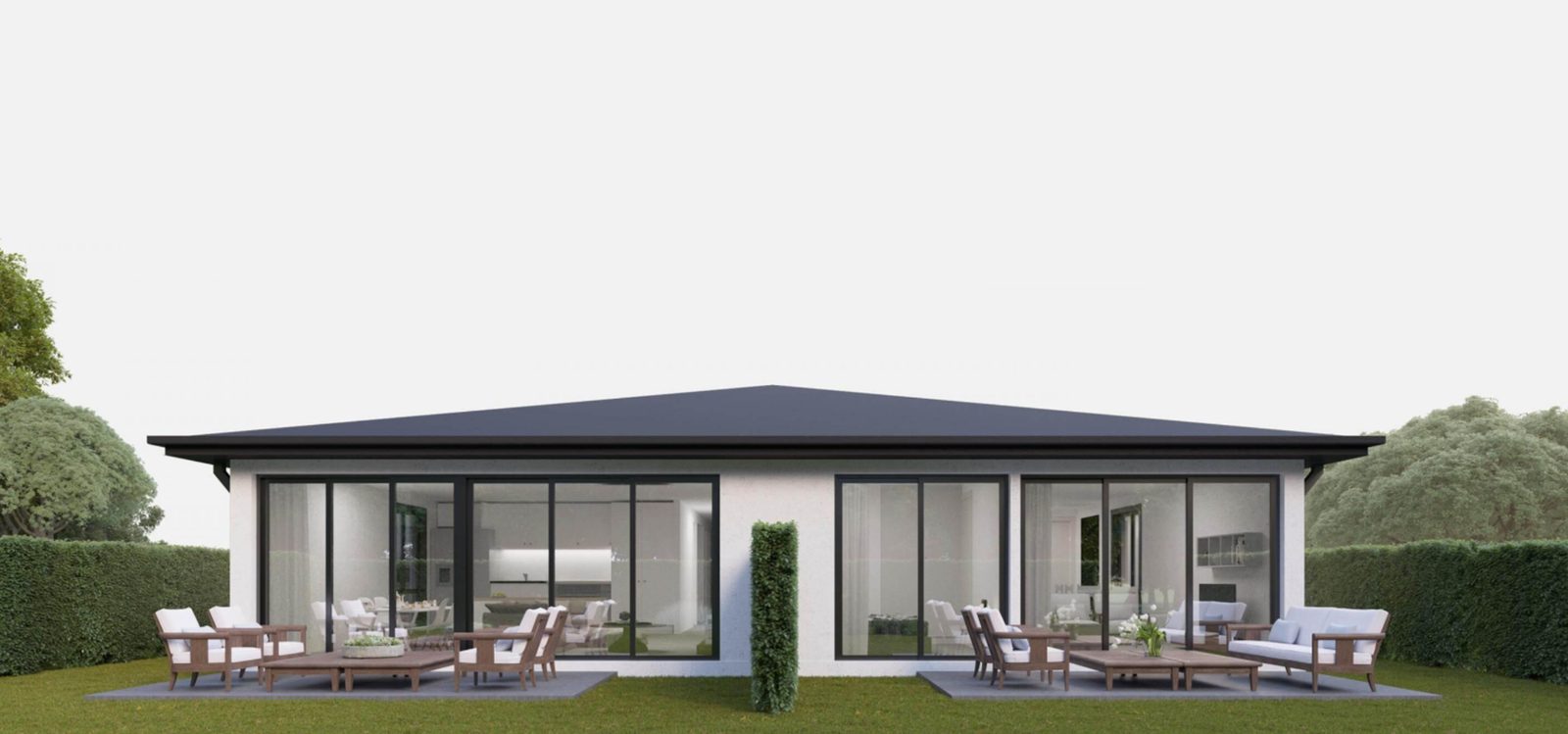
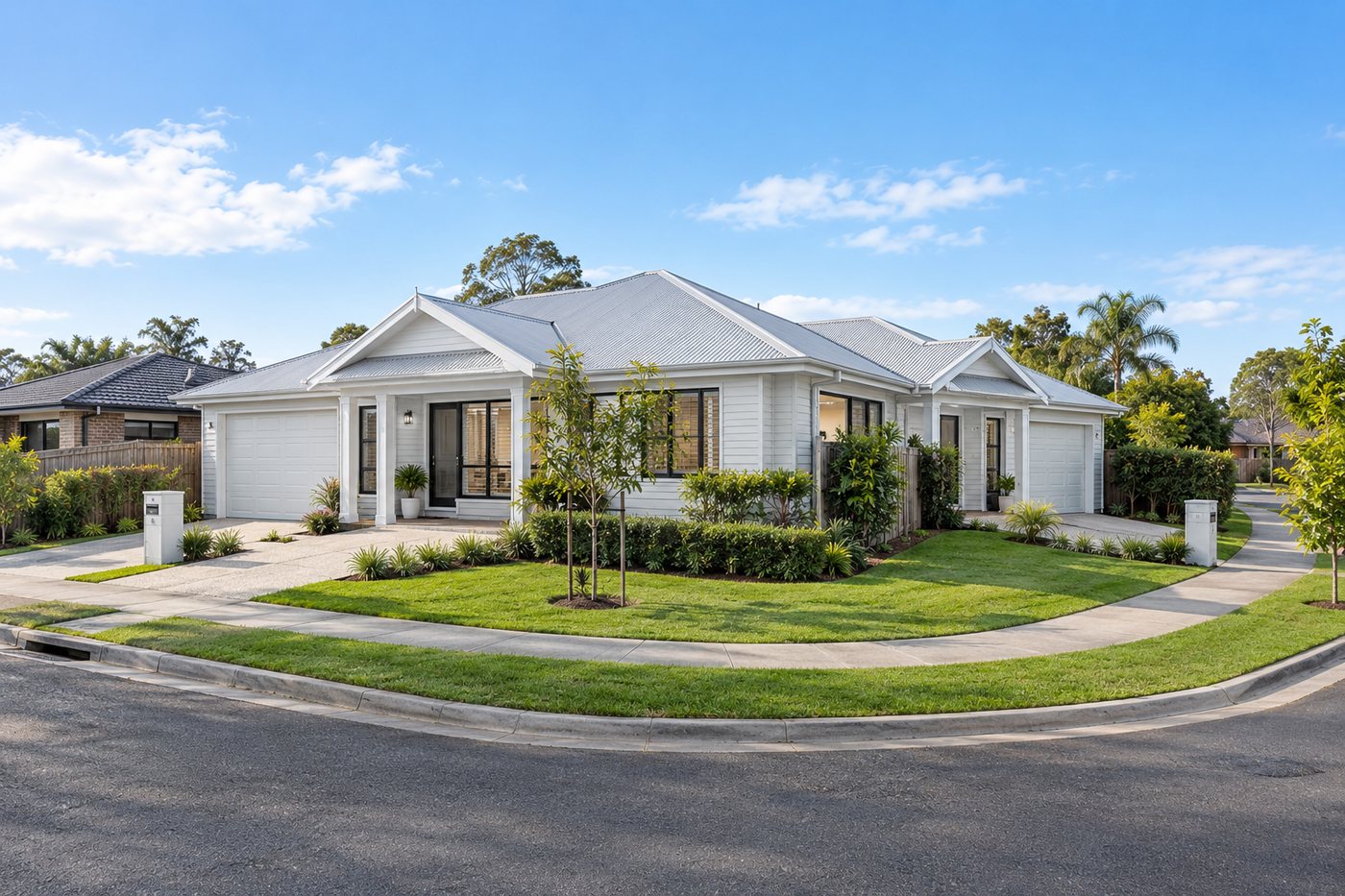
Most investors buy one house, rent it to one household and wait. These four strategies change the income side of the equation without changing the land underneath. Here is how each one actually works.
A standard rental gives you one tenant, one rent and one set of holding costs. Each of these four strategies changes that equation in a different way, and each one asks something different of you in return.
Land is the expensive part. Once you have paid for a block, the council rates, the water access charge, the insurance and the land tax threshold are largely set by the title, not by how many front doors sit on it.
That single fact is the engine behind every strategy in this guide. If one parcel of land can carry two homes instead of one, or one house can be let by the room instead of by the household, the income side moves while a large part of the cost side stays where it was.
The four strategies get there by different routes. A duplex and a dual occupancy both put two separate homes on one block. The difference is what happens to the title. A rooming house and co-living both let a single home out by the room. Their bedroom counts overlap, so size is not what separates them. What separates them is how the property is approved, classified and run.
Strategy 01
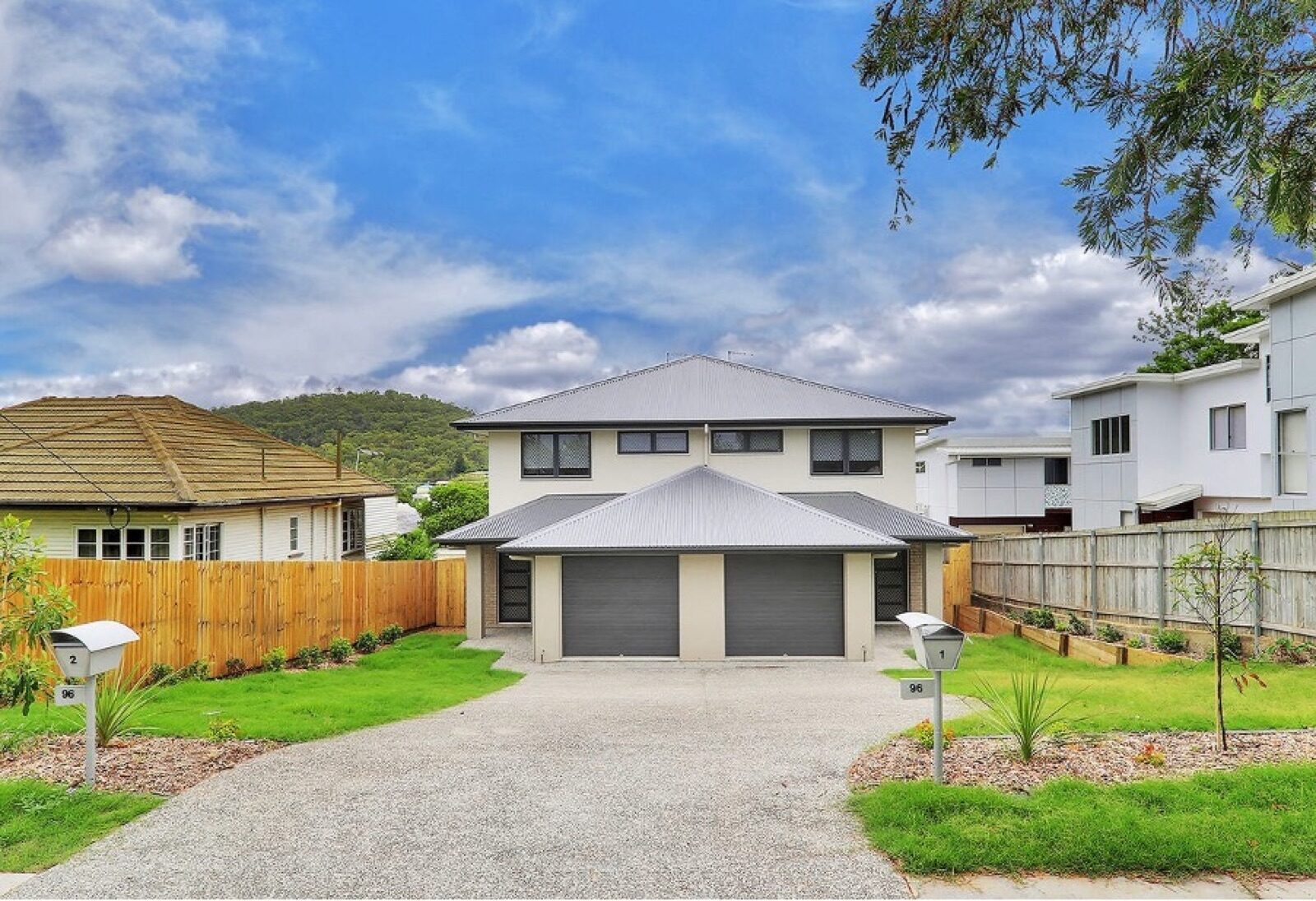
Duplex
Two attached homes, subdivided into two separate titles you can sell, hold or refinance independently.
Strategy 02
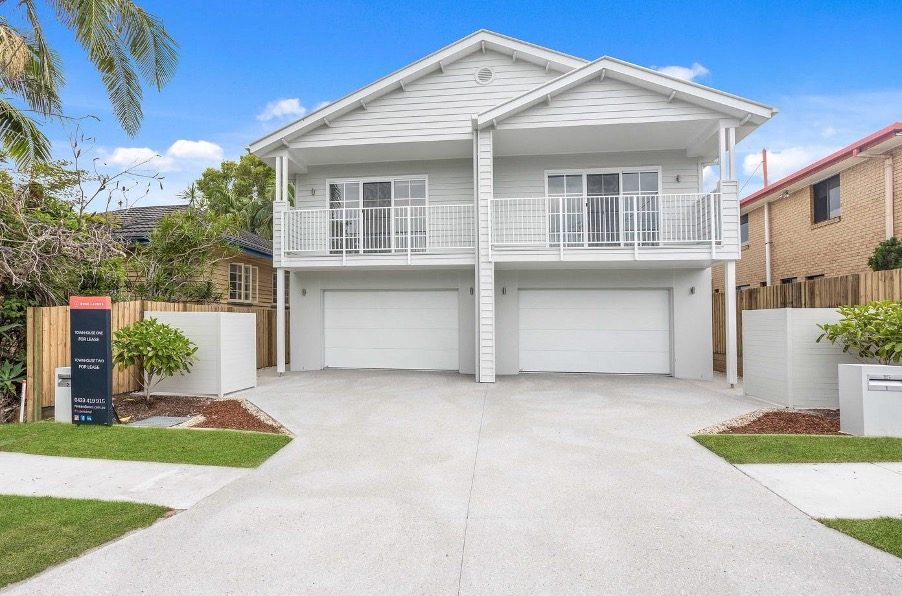
Dual Occupancy
Two self-contained homes that stay on one title. Two rents, one set of title-based costs.
Strategy 03
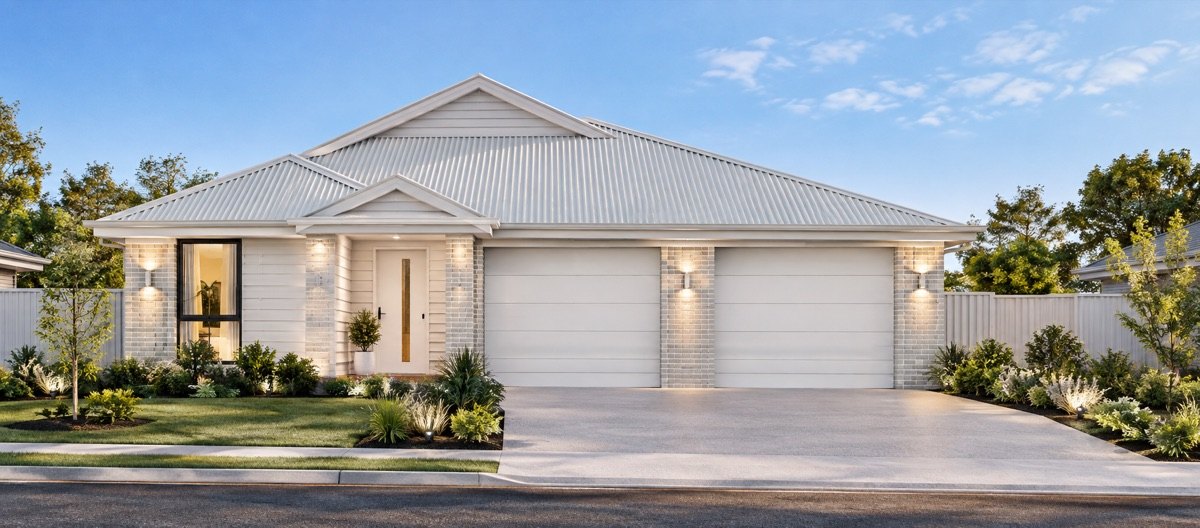
Rooming House
Private rooms with ensuites and genuine shared facilities, run for you by a specialist manager.
Strategy 04
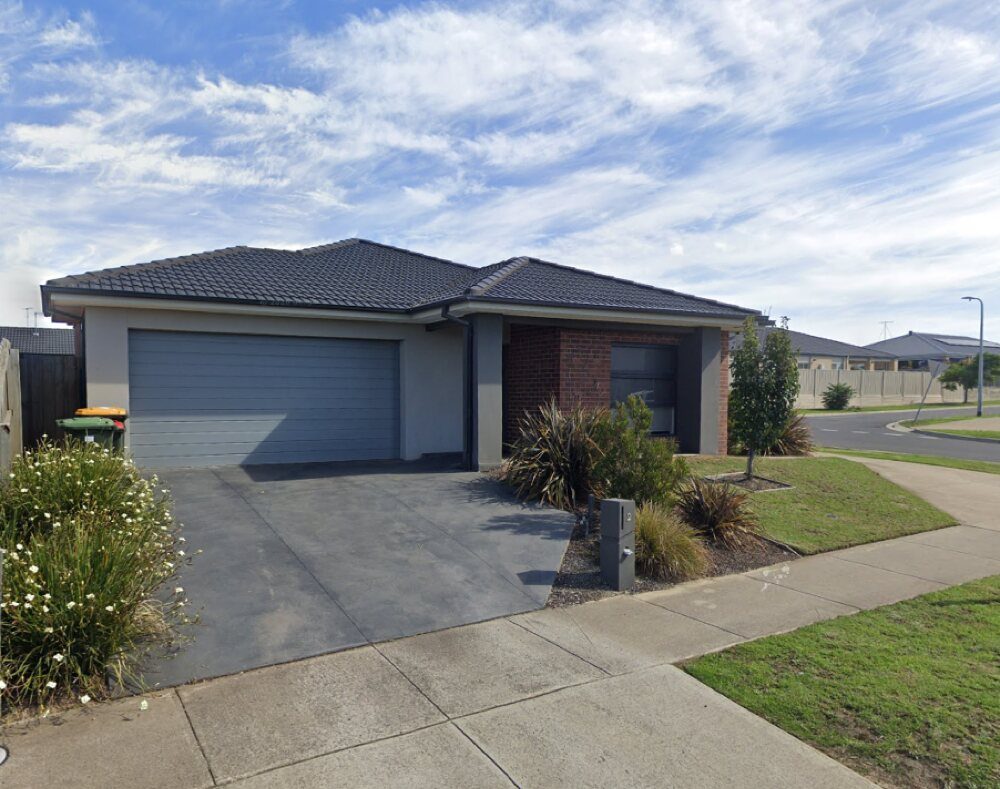
Co-Living
A 3 to 5 bedroom house let by the room on separate agreements. Still a standard house.
At a glance
The four, side by side
If you read nothing else in this guide, read this table. It is the fastest way to see which strategies are genuinely different and which are variations on a theme.
Duplex
Dual Occupancy
Rooming House
Co-Living
Dwellings on the block
Two attached homes
Two self-contained homes
One building, typically 3 to 9 private rooms. 5 bedrooms with 5 ensuites is the common layout
One standard house, generally 3 to 5 bedrooms and bathrooms
Titles
Two, after subdivision
One
One
One
Who lives there
Two households
Two households
One resident per room, each on their own agreement. Commonly 5, up to 9
One resident per bedroom, each on their own agreement. Commonly 3 to 5
Income profile
Two rents, plus potential equity created at completion
Two rents against one set of title-based holding costs
The highest gross rent of the four, and the highest operating costs
More than a standard rental, well short of a rooming house
Finance
Standard residential construction lending
Residential. Some lenders will assess the combined rent from both dwellings
Can be treated as specialised. Fewer lenders, often tighter terms
Standard residential lending
Building class
Class 1A
Class 1A
Class 1B, with fire, access and health requirements
Class 1A
Management
Two ordinary tenancies
Two ordinary tenancies
Managed much like a normal rental, by a manager who specialises in rooming. A few more running costs to watch, and fees sit a little above a standard residential rate
More moving parts than one tenancy, still managed as a residential property
Who buys it from you
Owner occupiers and investors, each home separately
Investors, and owner occupiers who want to live in one side and rent the other
Investors, plus families if the design still reads as a home
The full market, because it is simply a house
Main risk to watch
Attempting it without professionals. Site costs, covenants, town planning and subdivision all need people who do this for a living
Buying in an area with weak rental demand for the second dwelling
Planning approval, occupancy, and rules that change
Buying where there is no real demand for this type of tenant
General guidance only. Building classification, planning pathways and lender policy vary by state, council and institution, and they change. Every site and every loan must be assessed on its own facts.
The building produces the income. The land produces the wealth.
Chapter 02 · Strategy One
The duplex
Two homes, one block, two titles. Any build can create equity. What a duplex adds is two dwellings on a single parcel of land, an uplift you can work out before you start, and two homes you can sell to two different buyers.
A duplex is two separate dwellings built on a single parcel of land, usually attached by a common wall and often built as mirror images of each other.
Each home generally has its own garage, its own front entrance, its own outdoor living and its own utility services. At completion the property is typically subdivided into two separate titles, which is the point of the whole exercise. Two titles can be sold, refinanced or retained independently.
Most duplex developments carry a small body corporate to handle shared insurance or common property, though the ongoing cost is usually far lower than a townhouse complex or an apartment building.
2Rental incomes instead of one
2Separate titles at completion
9 to 12Months to build
5Ways to exit the project
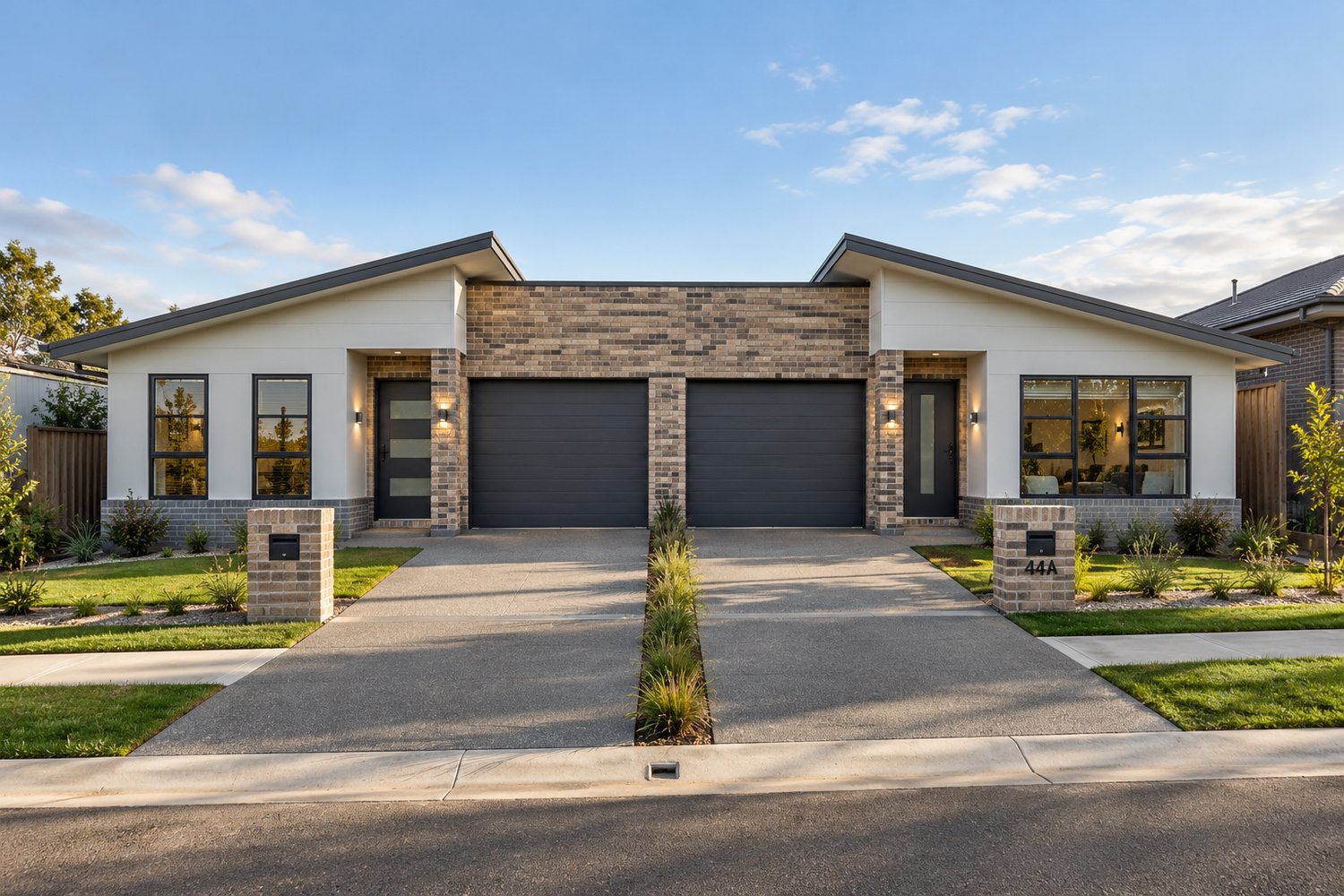
The most common layout in Australia. Two mirrored dwellings share a central wall, and each one keeps its own entry, garage and private outdoor space.
Do not confuse the two
Duplex or dual occupancy?
People use these words interchangeably and they are not the same thing. The homes can look identical from the street. What separates them is the paperwork.
A dual occupancy keeps both dwellings on one title. They are sold and financed together. A duplex is subdivided into two titles, so each home stands alone from that point forward.
That ability to create two separately titled properties out of one is the single biggest reason duplexes are so popular with investors.
Where the money comes from
Equity is created, not just waited for
The common misconception is that all of the profit comes from splitting one title into two. In practice it arrives from three places at once.
Source one
Title creation
One site becomes two saleable assets
Each can be sold or refinanced on its own
Combined, the two are often worth more than the original site
Source two
Market growth
Most projects run 9 to 12 months
If the suburb grows in that window, you capture it
Often a larger share of the result than people assume
Source three
Buyer demand
A finished duplex appeals to investors and owner occupiers
First home buyers and downsizers are in the market too
Strong demand lifts the end value of both halves
A realistic target: 10% to 20% uplift
Bars start at zero and are drawn to scale. The grey base is the same $1M in every column.
$1M
Project costYour total outlay
$1.1M
+$100k10% uplift
$1.15M
+$150k15% uplift
$1.2M
+$200k20% uplift
Your $1M project costEquity created at completion
Illustrative example only. Not a forecast, valuation or guarantee. The uplift shown combines title creation, market movement during construction and demand for the completed product.
Where the valuation gets interesting
The valuation at completion is the upside. Two separate titles, each valued as its own home, is what turns the project into equity.
The valuation before you build is the harder one. Until the titles are split, a valuer may assess the plans as one large six or eight bedroom house rather than two separate dwellings, and there are rarely many comparable sales to measure a duplex against. A conservative number at that stage is common and it is not a verdict on the finished project.
The biggest mistake duplex investors make
Becoming fixated on the equity number at completion. A duplex that creates strong equity but grows slowly over the following decade can end up a weaker investment than one that creates less equity in a location that keeps performing.
A great block here might be unbuildable five kilometres away
There is no national duplex rule. Each state sets its own planning framework and local councils add their own controls on top. Tap a state to see how the landscape differs.
Queensland
Generally duplex friendly
One of Australia's most active duplex markets. There is no statewide rule allowing a duplex on every block, because councils set their own schemes. In practice many builders use roughly 800 square metres and a 20 metre frontage as a working starting point that holds up across a lot of council areas and master planned communities. Local overlays, character controls, flood and bushfire constraints and estate covenants can all still change the answer, so every site is assessed on its own.
~800m²Typical land area
~20mTypical frontage
New South Wales
Traditionally strong
Historically one of the strongest duplex markets in the country, but approvals are driven heavily by individual council controls. Minimum lot sizes, frontage, floor space ratios, building envelopes, parking and open space all vary between councils. The most active areas tend to be the Western Sydney growth corridors, Newcastle and the Hunter, and the Central Coast. Because the controls vary so much, detailed due diligence on the specific site is essential.
South Australia
Emerging market
Increasingly popular thanks to lower land prices, strong population growth and relative affordability compared with Sydney and Brisbane. Many Adelaide growth corridors still offer opportunities that have become hard to find in the larger eastern capitals. That can let an investor enter at a lower total project cost while still ending up with two separate titles and strong rental demand.
Western Australia
Strong potential
Increasingly attractive for duplex development. Population growth, a housing shortage, affordable land and sustained infrastructure investment have opened up opportunities across the Perth growth corridors. Compared with many eastern state markets, the feasibility can be more attractive simply because the land costs less to acquire.
Victoria
A different environment
Duplex developments happen right across Victoria, but many investors find the planning environment more complex than in parts of Queensland, New South Wales, South Australia and Western Australia. Council requirements, neighbourhood character and planning overlays can all materially affect the outcome. As a result a lot of duplex focused investors concentrate on states where the planning pathway is more predictable.
A premium site
Why corner lots get fought over
When experienced developers assess land, corner blocks attract immediate attention. They can offer two separate street frontages, better privacy, easier vehicle access and more flexible design outcomes. Done well, each dwelling can effectively present its own street address.
Corner lots are not essential, but they usually improve resale appeal, and that matters more than most investors expect.
The obstacle people miss
Today the biggest barrier is often not the council, it is the developer. Many master planned estates carry covenants that prohibit future subdivision, certain dwelling types or additional density. A block can look perfect and still be impossible to subdivide after completion. Read the covenants as carefully as you read the planning scheme.
A corner site with two street frontages. Two addresses, better separation, and a wider pool of buyers when it comes time to sell.
Site costs
Three costs that quietly eat the margin
Most investors assume the hard part is finance or the builder. In practice the hardest part is finding a block that still works once the site costs are counted.
Cost one
Slope
A sloping block is usually priced below the flat land around it
Cut and fill, retaining walls, split levels, drainage and stepped footings claw the saving back
Flat blocks are ideal. Around 1 to 2 metres of fall is still workable, enough for drainage without heavy excavation
Plenty of good projects are built on 2 to 8 metres of fall, where the end values justify it
Cost two
Rock
Parts of Newcastle and the Hunter are well known for it
Unexpected rock removal adds machinery, disposal and delay
It is frequently excluded from fixed price building contracts
Where there is any risk, a geotechnical report before you commit is money well spent
Cost three
Services
Sewer location, water connection and stormwater discharge
Electricity infrastructure and easements across the block
A site with perfect dimensions can still be expensive to connect
Services affect design, cost, subdivision and approval timeframes
The useful question is never "is the block sloping" or "is there rock". It is do the end values comfortably exceed the total development cost once all of this is counted. The most profitable duplex projects are rarely built on the flattest sites. They are built where the completed homes are worth clearly more than everything it took to get there.
None of this is work to take on alone. Site costs, covenants, town planning and subdivision are handled by professionals who do this for a living, and getting that team right matters more than any spreadsheet. See why your builder and broker decide the outcome.
Design
Single storey or double storey?
There is no universal answer. The land should drive the design, not the other way around.
Single storey
Space and accessibility
Appeals strongly to downsizers and retirees
Easier access, less stair maintenance
Usually cheaper to construct
Common across regional Queensland, New South Wales, South Australia and Western Australia
Needs a larger footprint, so it needs a larger block
versus
Double storey
Efficiency on costly land
Smaller footprint, better use of a tight lot
More internal living space for families
Works on narrower sites
Upper levels can capture breeze, light and views
Higher build cost, but often stronger end values
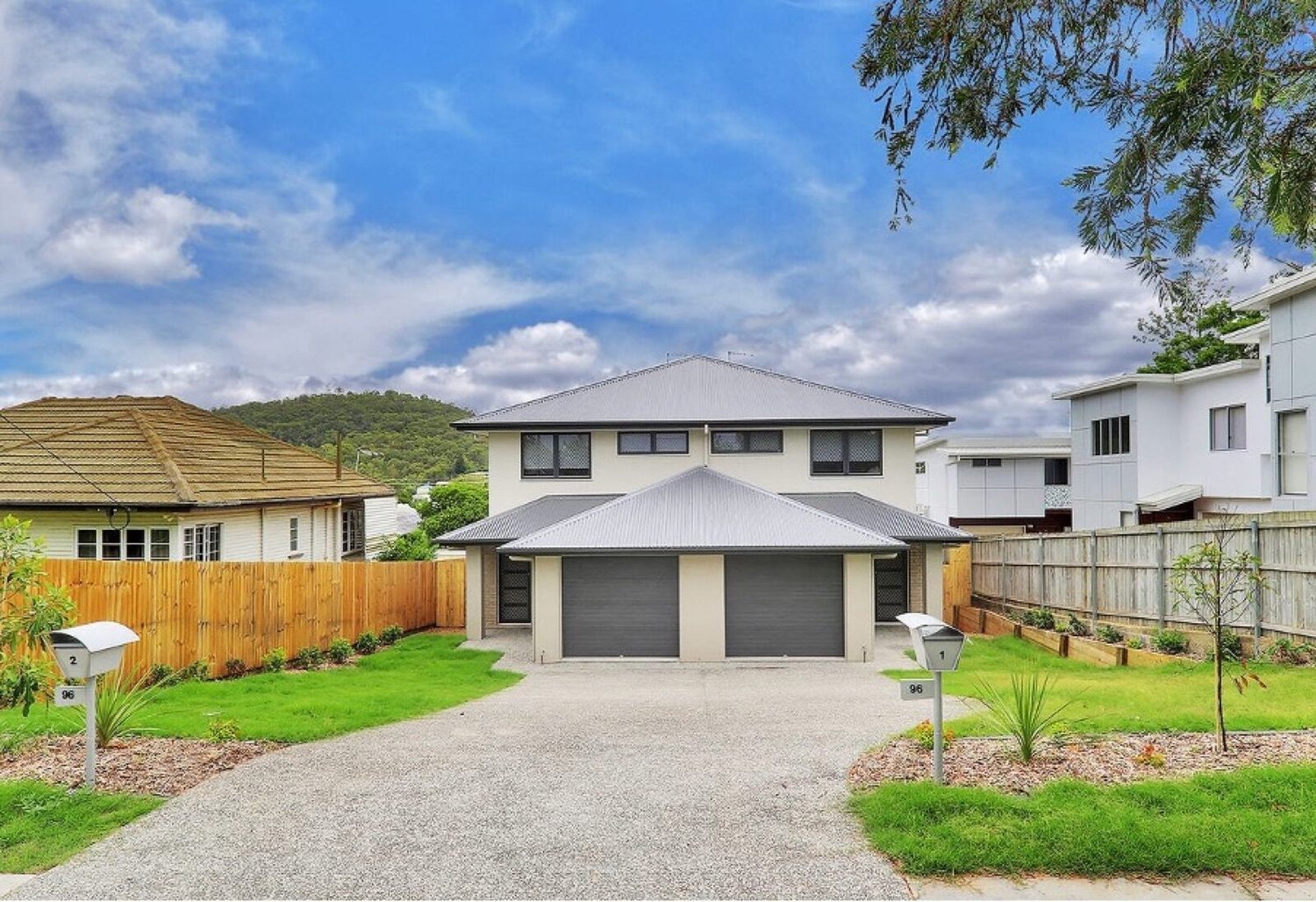
Single storey duplex. Two front doors, two garages, two driveways, one building.Double storey duplex. Two separate homes, two entries, two letterboxes, on one block.
First impressions
Street appeal is a financial decision
Owner occupiers generally pay more than investors, and they make up their minds in the first few seconds. A facade where two double garages fill the frontage with small front doors squeezed between them reads as one bulky building, and it is harder to sell.
A balanced facade does the opposite. A feature entry, real windows, varied rooflines, a recessed garage and some landscaping break the mass up, so the property reads as two quality homes rather than one large one.
Privacy matters more than square metres to most tenants and buyers. Separate entries, independent garages, fencing, planting and careful window placement all reduce noise transfer and overlooking. The more a duplex feels like a standalone home, the stronger its appeal.
The honest answer
Who a duplex actually suits
A duplex may suit you if you want
Stronger rental income than a single traditional house
Multiple exit options rather than one
Exposure to new property and its depreciation profile
The chance to create equity during construction
A medium to long term holding period
The option to sell one half and keep the other
A duplex may not suit you if
Your borrowing capacity is already stretched
You need cash flow immediately
A 9 to 12 month construction timeline makes you uncomfortable
You want a completely hands off investment
Your investment horizon is short
You have no appetite for even a small body corporate
The goal is not to fit two dwellings on a block. It is to create two homes people genuinely want to live in.
Chapter 03 · Strategy Two
Dual occupancy
Two self-contained homes that stay on one title. Less paperwork, less cost, less risk than a duplex. The trade comes at the other end, when you sell.
A dual occupancy is two separate dwellings on one block, held under a single title and kept whole.
From the kerb it can be indistinguishable from a duplex. Two front doors, two garages, two private yards. The difference sits in the title office. Nothing is subdivided, so the property is bought, financed and sold as one asset.
Skipping the subdivision is the whole point. You avoid the survey work, the council subdivision application, the legal fees and the months of waiting. What you give up is the ability to deal with each home separately later on.
Know the family
Three products that all get called dual occupancy
These are often lumped together in marketing material. They behave quite differently once you own them.
Type one
Dual occupancy
Two fully self-contained homes on one title
Attached or detached, depending on the site and the council
Separate entries, separate living, usually separate yards
Each let on its own tenancy agreement
Type two
Dual key
One building, one shared entrance, two lockable self-contained dwellings behind it
Often a main home plus a smaller studio or one bedroom attachment
Cheapest of the three to build
The shared entry is what narrows the buyer pool most
Type three
Secondary dwelling
A granny flat added behind an existing house
Lowest entry cost, because the main house already exists
Rules on size, separate metering and separate letting vary widely by state
Check whether it can be let to an unrelated tenant before you build
Two complete homes under one roofline, on one title. Two kitchens, two bathrooms, two tenancies, one rates notice.
The case for it
Costs follow the title, income follows the doors
Council rates, the water access charge, landlord insurance and land tax thresholds are generally calculated against the title, not against the number of dwellings sitting on it.
So a dual occupancy can collect two rents without doubling the holding costs that sit underneath them. That gap is the entire financial argument for the strategy, and it is a genuinely good one.
There is a finance angle too. Some Australian lenders will assess a dual occupancy using the combined rental income from both dwellings, which can present a stronger serviceability position. Lender policy on this varies and it changes, so confirm it with your broker before you rely on it.
Often overlooked
Your buyer might want to live in it
Dual occupancy is often described as an investor product. That undersells it. A growing number of buyers want one of these to live in, and the reason is simple: they live in one side and the rent from the other side helps pay their mortgage.
When rates are high that is a powerful proposition, and it is available to an owner occupier in a way a standard house never is. It widens who wants your property, not narrows it.
The other driver is family. One side for a grandparent who wants independence but not isolation. One side for adult children who are not ready to buy yet. Same roofline, separate front doors, everybody keeps their privacy. That is a genuine reason people seek these out, and it is why well located dual occupancies attract interest from both investors and families.
Worth asking at the start
Could this site be subdivided later? Some dual occupancy sites can be separated into two titles down the track, which hands you the duplex exit without paying for it on day one. Others cannot, because of lot size, frontage, services or an estate covenant.
The answer changes what the property is worth to you. Ask the question before you commit, not after.
Flexibility
More ways to use it than people realise
Rent both sides for maximum income. Live in one and rent the other, which can cut your own housing cost dramatically. House a parent or an adult child on one side while the asset keeps growing. Or hold it whole and position for a subdivision later if the site allows it.
Very few residential products give you that many options from a single purchase, and the smaller build cost compared with a full duplex is what keeps them all on the table.
A single storey dual occupancy. Two homes, two tenancies, one title and one set of title based holding costs.
The honest answer
Who dual occupancy actually suits
It may suit you if you want
Two incomes without the cost and delay of subdividing
A lower total project cost than a full duplex
Holding costs that sit on one title rather than two
The option to live in one side and rent the other
A simpler build and a simpler approval path
A long hold, where the exit is years away
It may not suit you if
You want to sell one half and keep the other
You want two separate titles from day one
You want to refinance each dwelling separately
Your plan depends on subdividing later and the site will not allow it
A duplex buys you options. A dual occupancy buys you the same two rents for less.
Chapter 04 · Strategy Three
Rooming houses
Private rooms, private ensuites and genuine shared facilities, with a separate rent landing from every room. The strongest cashflow of the four, managed much like any other rental, with a few more running costs to keep an eye on.
A rooming house is a property where several unrelated people each occupy their own room and share common facilities, usually each on their own tenancy agreement.
Instead of one household renting the whole home, the income comes from several residents living under one roof. That is where the higher rent comes from, and it is also where the extra obligations come from.
Purpose built rooming houses generally run anywhere from three to nine rooms. The layout you will see most often is five bedrooms, five ensuites, a double garage and extra off-street parking.
The shared facilities typically include the main kitchen, the laundry, the living areas, the outdoor space and the parking.
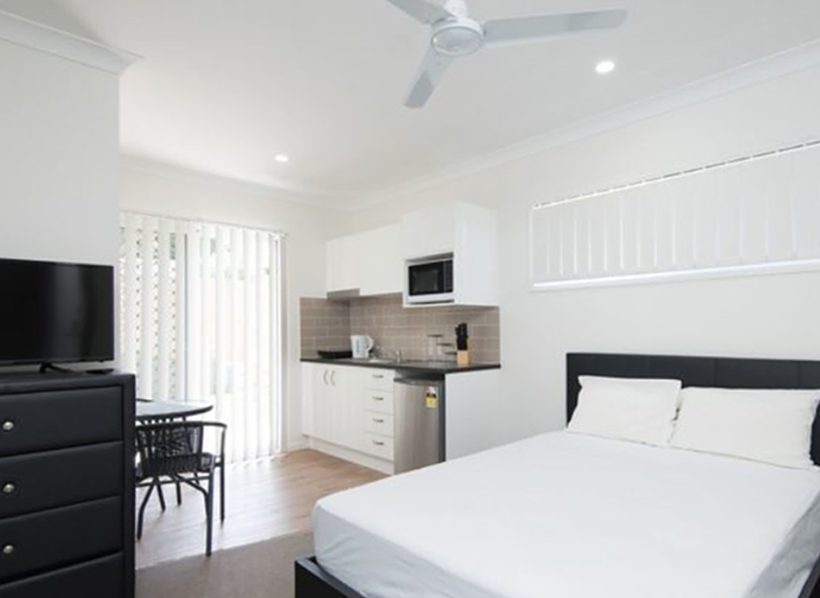
A modern room. Private bed, private ensuite, a small kitchenette, and genuine reliance on the shared kitchen and laundry beyond the door.
Get this right first
It is not a block of micro apartments
The entire model rests on shared accommodation. Residents rely on and use common areas. An apartment, a studio or a granny flat is fully self-contained, with every facility inside the occupant's own dwelling.
A rooming house, by definition, shares some facilities. That distinction sounds academic until a planning authority applies it to your property, and then it is the whole ball game.
Who actually runs it
Not you. Rooming houses are looked after by rental managers who specialise in this type of accommodation, handling the room by room letting, the individual agreements and the day to day. Their fee sits above a standard residential management rate, and the cashflow example later in this chapter already allows for it.
Why ensuites won
In shared accommodation, most disputes come from bathrooms rather than kitchens. Cleanliness, shower access, storage and hygiene. Giving each resident a private ensuite removes most of that friction, which is a large part of why purpose built rooming houses took off with investors and tenants alike.
The live planning issue
The kitchenette line, and why it keeps moving
The most significant planning question facing rooming house investors is where a room with limited private amenities becomes a self-contained dwelling.
For years, Brisbane rooming houses commonly included a sink, a bar fridge, a microwave and a small bench inside each room while still providing a full shared kitchen. Planning authorities across Australia are now focused on keeping rooming houses as genuine shared accommodation rather than collections of micro apartments.
Two decisions worth knowing
In Studio Homes Victoria v Brimbank City Council (VCAT, 2022), the tribunal found that accommodation with private kitchenettes, sinks, fridges and separate hot water functioned like self-contained dwellings rather than a genuine rooming house, because residents were designed to rely on private facilities instead of shared ones.
Brisbane, historically comfortable with the hybrid design, is set to change course. From December 2026, in-room kitchenettes are to be phased out. What is acceptable today may not be acceptable at your next project. Confirm the current position with the relevant council before you design anything.
The built-in advantage
You are never down to zero
A standard rental has one tenant. If they leave, your income is nothing until you re-let. A rooming house spreads that risk across every room.
A standard rental
One tenancy, one income
One household pays the whole rent
If they give notice, income drops to nothing
Every week vacant is a week of full holding costs with no rent
versus
A rooming house
Five incomes, five tenancies
Five residents each paying their own rent
One room turning over still leaves four rents coming in
Income dips rather than stops, which makes the property far easier to hold
The demand side is moving in this direction too. Australia is living alone more than it ever has. At the 2021 Census there were 2.6 million lone person households, around 26% of all Australian households, and the ABS projects that to reach between 3.4 and 4.0 million by 2046.
That is millions of people who need somewhere affordable, well located and their own. A good room with its own ensuite answers that in a way a whole house at whole house rent simply cannot. It is one of the clearest long run demand stories in Australian residential property.
Demand is local as well as national, so the question for any given site is why would someone choose to live here. The strongest locations have more than one answer.
Household figures: ABS Census 2021 and ABS Household and Family Projections, Australia, 2021 to 2046.
Cashflow
Gross rent is the headline. Net is the result.
A rooming house carries more running costs than a single tenancy, so its real performance is what remains after those costs. Here is a Brisbane five bedroom, from the top down.
Brisbane five bedroom
Five rooms at $400 per week, assessed at 95% occupancy. Illustrative only.
Effective gross rent$98,800
Management at 10%−$9,880
Electricity−$4,000
Water and rates uplift−$3,000
Insurance−$3,000
Cleaning and gardening−$2,500
Internet and maintenance−$2,000
Net operating income
$74,420
24.7% operating cost ratio
Net operating income compared
The same five bedroom model in two markets
$74.4k
Brisbanenet operating income
$43.3k
Melbournenet operating income
BrisbaneMelbourne
Illustrative examples only, not a forecast or guarantee. Brisbane spreads its fixed costs across higher rent, so it often shows stronger net cashflow. It also usually requires considerably more capital to acquire.
A traditional rental typically runs operating costs around 15% to 20% of collected rent. A rooming house sits closer to 25% to 30%, but on much higher income. Focus on net dollars, not the ratio.
Two costs worth budgeting up front
Solar. Owners usually pay the power bill, so it is worth pricing a system into the original build budget. It trims the running costs rather than transforming the return, so treat it as a sensible inclusion, not a selling point.
Furniture. Most rooming houses let fully furnished. Budget roughly $20,000 to $25,000 for a five bedroom fit out covering beds, desks, bar fridges, whitegoods, laundry and common areas. Imported pieces can take three to six months to arrive, which affects completion and move in dates. Furniture also wears out, so allow an annual replacement provision.
Two markets
Brisbane and Melbourne make very different cases
Neither city is simply better. They ask for different amounts of capital and return different things for it.
Brisbane
Proven growth, higher entry
Demand comes from healthcare workers, tradespeople, airport and logistics staff, industrial workers, single professionals and interstate arrivals. Room rents hold up and occupancy is generally healthy. The catch is that land is now often the largest single component of the investment. Five years ago a whole project might have cost under $800,000. Today the land alone can approach that. Many investors now buy premium Brisbane land and use the rooming house income to improve their holding position while the land does the long term work.
$700k to $1.1MTypical land
$400 to $500Room rent per week
$550k to $900kFive bedroom build
Melbourne
Lower entry, low vacancy
Demand comes from students, healthcare and hospitality workers, migrants, essential workers and young professionals. After several subdued years, many growth corridors still offer land between $250,000 and $500,000, which dramatically improves affordability and borrowing capacity, sometimes enough for more than one property. Very low vacancy supports occupancy. Rents and cashflow are generally lower than Brisbane, so the argument is quality land at a lower entry price with room for long term recovery.
$250k to $500kTypical land
Around $250Room rent per week
$500k to $900kFive bedroom build
Western Australia
Rules on residents, not rooms
Western Australian councils have historically focused on the number of residents rather than the number of bedrooms. Once accommodation passes certain occupancy thresholds it may be treated as a lodging house, with additional registration and compliance attached. That is why six bedroom models became popular, maximising income while staying under key thresholds. As in Brisbane, land and construction costs have risen, and positive cashflow is harder to achieve now even at six bedrooms. Always get local planning advice before committing.
New South Wales
A different category altogether
There is a reason you see very few rooming houses advertised in New South Wales: the category does not really exist there. Queensland and Victoria both have rooming house legislation. New South Wales instead uses boarding houses, and since 2021 co-living housing under the State Environmental Planning Policy (Housing) 2021.
That matters for two reasons. Under the Housing SEPP the boarding house term is now tied to affordable housing delivered by a registered community housing provider, so the market rate path for a private investor is co-living housing, which is defined as six or more private rooms. And boarding house style assets are commonly assessed as commercial lending rather than residential, which changes the deposit, the loan to value ratio, the rate and how the rental income is counted.
None of that makes New South Wales impossible. It makes it a different project with a different funding structure, which is why most investors running this strategy concentrate on Queensland, Victoria and Western Australia. If New South Wales is where you want to be, start with a broker who writes commercial, and a planner who knows the Housing SEPP.
A five bedroom design that still reads as a family home from the street, which keeps the resale market broad.
Why feasibility comes first
The thing to avoid is buying land for a build that will never be approved. A site is purchased expecting six or nine bedrooms, then the zoning does not support it, the parking cannot be satisfied, or the application is refused.
This is exactly what we check before you commit to anything. Zoning, parking, the approval pathway and the end numbers all get confirmed up front, so you know the project works before a dollar is spent. Done properly, this risk largely disappears.
Configuration
Why five bedrooms is often the sweet spot
More rooms should mean more rent, and more rent should mean better returns. It does not work that cleanly.
A nine bedroom rooming house can generate more income than a five, but it also needs a larger deposit, more land, higher construction cost, more management and often more expensive finance from a smaller pool of lenders. The return on the cash you actually put in may be no better, and sometimes worse.
Three things tend to favour the five bedroom model. Most lenders are comfortable with residential style five bedroom accommodation. Planning scrutiny rises as room numbers rise. And a five bedroom home with ensuites still resembles a family home, which keeps investors, large families and owner occupiers all in the market at resale.
Design
Do not underestimate outdoor living
In the Brisbane climate, residents spend far more time outside than they do in southern states, so an enormous internal lounge is not always the priority. Covered alfresco areas, outdoor seating, a barbecue and a landscaped courtyard often matter more, and tenants gravitate to them naturally.
Individually metered bedroom air conditioning is worth building in as well. It encourages responsible use, and since the owner is paying the power bill, that shows up directly in the net figure.
In the subtropics, the covered outdoor area does more work than another square metre of lounge.
The honest answer
Who a rooming house actually suits
It may suit you if you want
The strongest cashflow available in residential property
Several income streams rather than a single tenancy
A property managed much like a normal rental, by a manager who specialises in rooming
Income that helps you hold a growth asset comfortably
Purpose built accommodation rather than a converted house
A larger budget and the deposit to match
It may not suit you if
You want the lowest possible management fee
Your lender is not comfortable with specialised accommodation
You are not prepared for licensing, registration and annual inspections
You are buying on a headline yield rather than a verified occupancy assumption
The rooming house provides the income. The land creates the wealth.
Chapter 05 · Strategy Four
Co-living
A standard house of three to five bedrooms, let by the room on separate agreements. More income than a single tenancy, far less compliance machinery than a rooming house.
Start with a traditional rental. One tenancy agreement, one household, tenants pay most of the utilities, and management is simple. The trade off is that the income is capped by what a single household can afford.
Co-living keeps almost all of that simplicity and lifts the income. A standard home, generally three to five bedrooms and bathrooms, is let by the room, each tenant on their own agreement. The house is still a house. It is still Class 1A. It still finances like any other residential property.
That last point is the one investors underrate. The property does not become a specialised asset, so it does not inherit specialised lending, specialised compliance or a specialised buyer pool.
The line between them
It is not about the number of rooms
They look similar from the kerb, their bedroom counts overlap, and they are still very different investments. Getting this wrong for your objectives affects income, management, compliance, finance and your exit.
Co-Living
A residential product
Generally three to five bedrooms and bathrooms
Still functions as a house, Class 1A
Standard residential finance
Simpler management and a broad resale market
Can often be done where a rooming house is not permitted
versus
Rooming House
A specialised rental
Anywhere from three to nine rooms, commonly five bed and five bath
Higher standards for fire, access, parking, health and licensing, Class 1B
Stronger cashflow from several income streams
Run day to day by a manager who specialises in rooming
Planning approval is the gate, and it is a real one
It is tempting to look for a bedroom count that divides the two. There is not one. In Queensland the Residential Tenancies and Rooming Accommodation Act 2008 defines rooming accommodation by the arrangement rather than by a headcount: each resident has the right to occupy one or more rooms rather than the whole property, does not occupy a self-contained unit, and shares facilities with the other residents. A co-living house can fit that description too.
What actually separates them is how the property is approved, classified and operated. A rooming house sits under Class 1B, which brings licensing, registration, fire, access and health obligations with it. Co-living stays a Class 1A house and is managed like one. Requirements differ by state and council and they change, so confirm the local position before you plan around any number.
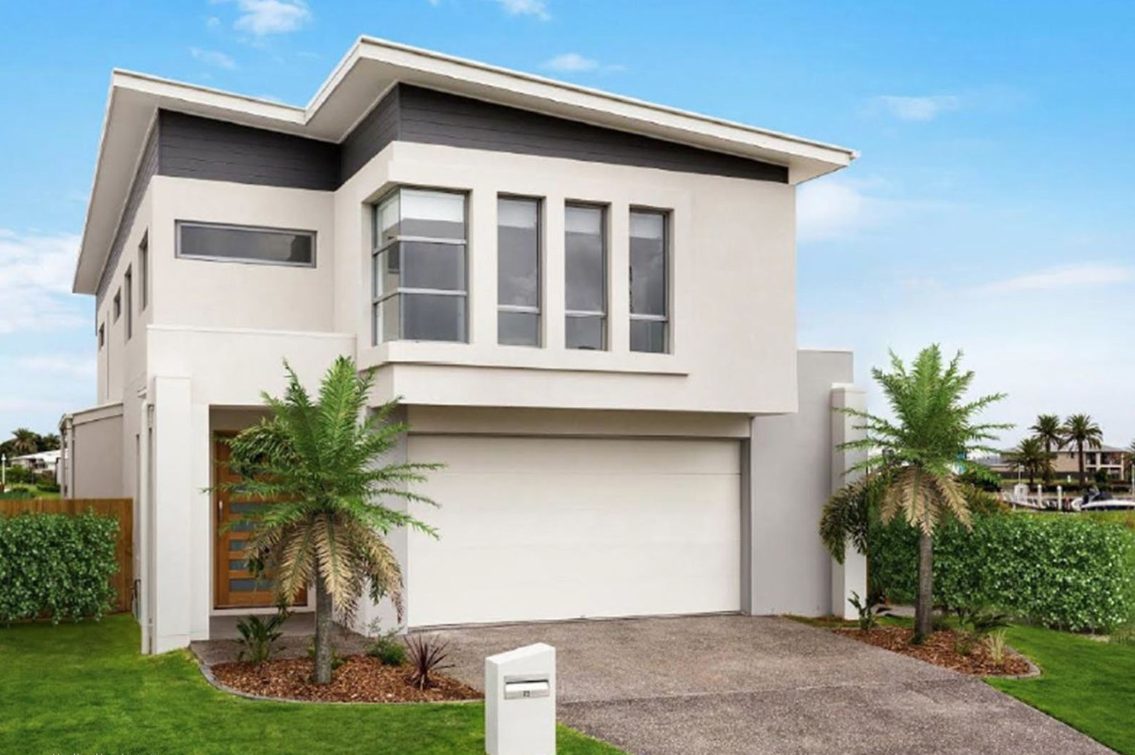
A co-living home. From the street it is a house, and at resale that is exactly the point.
Why investors like it
A genuine stepping stone
Co-living has become a common entry point for investors who want stronger cashflow without moving into a specialised model. A lower price than a five bedroom rooming house. Higher income than a traditional rental. Standard finance. Simpler compliance. Easier management. A broad resale market.
Its biggest single advantage is flexibility. It can often be developed in locations where a rooming house is not permitted at all, which widens the pool of sites you can actually buy.
The safety net
It is always a normal house
The reason co-living is a comfortable place to start is what it falls back to. Underneath the strategy it is a standard three to five bedroom home. If letting by the room ever stopped suiting you, you let it to one household on one lease like any other rental, or you sell it to the full market as the house it has always been.
That optionality is the point. You are not buying a specialised building you would struggle to repurpose. You are buying a normal house, or a townhouse, and choosing how to let it. Day to day it is handled by a rental manager, the same as any other property, one who knows this type of letting.
So the thing worth getting right is the location. Co-living performs where there is real demand for this kind of tenant: single professionals, students, healthcare and hospitality workers, tradespeople and essential workers who want their own room at a price a whole house will not give them.
Two questions worth asking
Who are the tenants here? Name them. If you can say who fills these rooms and why they choose this suburb over the next one, the demand case is made.
Is the number gross or net? Co-living carries a few more running costs than a single tenancy. Ask for the figure after costs, so you are comparing like with like.
The honest answer
Who co-living actually suits
It may suit you if you want
More income than a standard rental without a specialised asset
A smaller deposit than a rooming house requires
Standard residential finance and standard compliance
The widest possible buyer pool when you sell
A first step toward higher yield investing
The ability to buy in locations rooming houses cannot access
It may not suit you if
You want rooming house level cashflow
You cannot identify who the tenants in that suburb would actually be
You want the extra income a rooming house can produce
You are relying on a gross yield figure you have not verified
You want the room count and the cashflow a larger rooming house can reach
The local tenant demand rests on a single employer or institution
Chapter 06
Which one is you?
All four strategies work. They do not all work for the same investor, at the same stage, with the same tolerance for complexity.
A quick gut check
Seven honest questions
Answer these the way you actually feel, not the way you think an investor is supposed to feel. This is a personal reflection, not financial advice. Not sure on the budget question? Try our borrowing power calculator.
My budget is above $1 million.
I am comfortable with a 9 to 12 month construction timeline.
I have, or can build, the borrowing capacity for a construction project.
Strong weekly cashflow matters more to me than created equity.
I am comfortable with a property that carries more running costs than a single tenancy.
Being able to sell one half and keep the other matters to me.
I want the broadest possible buyer pool when I eventually sell.
Based on your answers
This gut check is general information only and is not financial, taxation or legal advice. Always seek personal advice before making any investment decision.
The real priority
The asset matters more than the strategy
Investors spend a great deal of time choosing between strategies. In our experience the more important question sits underneath all four of them: are you buying the right asset in the first place?
A clever strategy applied to a poor property rarely produces an exceptional result. A quality property in a strong location will frequently outperform a sophisticated structure built around a weaker one.
All four strategies in this guide do the same thing. They change what the building earns. None of them change what the land does, and over a decade the land is usually the part that decides the outcome.
Which is why the order matters. Work out which of these four suits the kind of investor you actually are, and what you want the property to do for you. The right site is then chosen to deliver that, and finding it is our job, not yours.
Start with the strategy that suits you. We will find the land that makes it work.
Next step
Not sure which of the four fits you?
That is the conversation we have every week. Tell us where you are and what you are trying to achieve, and we will walk you through which of these strategies genuinely suits your position, and which ones do not.
No obligation. No cost. Just a straight answer.
BRIXFOLIO
Boutique property advisory bringing developer thinking to everyday investors. We help you build high-performing portfolios through houses, duplexes, dual occupancy, rooming houses, co-living and property inside your Super.
The information in this guide is general in nature and is not financial, taxation or legal advice. Property types, figures and charts shown are illustrative examples and are not a forecast or guarantee of returns. Seek independent professional advice before making any investment decision.